Best Budget Smartphones for Gaming in 2025
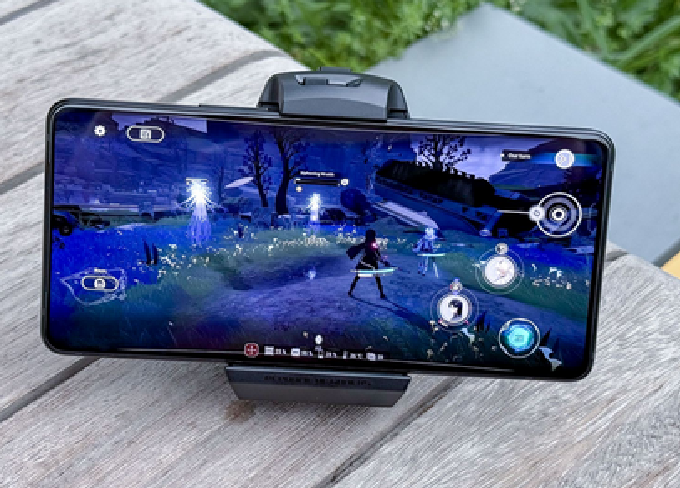
Mobile gaming in 2025 is no longer a niche — it’s a full-blown ecosystem. From competitive shooters to high-fidelity open-world titles and emulators, modern games demand strong processors, high-refresh displays, good thermal design, long battery life, and sensible software optimizations. The good news: you don’t need to spend flagship money to get great gaming performance. This guide walks you through the best budget smartphones for gaming in 2025, what to look for when buying, and short pros & cons for each top pick so you can choose the one that fits your playstyle and wallet.
How I define “budget” and what matters for gaming in 2025
“Budget” is relative, but for this article we’re focusing on phones that deliver excellent gaming value — solid performance and features at a noticeably lower price than flagship devices. That typically means phones priced in the mid-range and upper mid-range segments, often between roughly $200–$450 (regional pricing will vary).
Key specs and features that matter for gaming in 2025:
-
Chipset & sustained performance: A fast CPU/GPU combo is important, but thermal throttling is the enemy. A phone that holds higher frame rates over time beats a device that spikes briefly and then throttles.
-
Display refresh & touch sampling: 90Hz and 120Hz are common in this tier; higher touch-sampling rates (and low latency) improve responsiveness.
-
Battery capacity and charging: Big batteries (4,500–6,000 mAh) plus fast charging matter — long sessions without plugging in are essential.
-
Thermals and cooling features: Vapor chambers, graphite layers, or active cooling accessories make some budget gaming phones punch above their weight.
-
Memory & storage: 8GB+ RAM and UFS 3.x / 4.0 storage are ideal for smooth load times and background multitasking.
-
Software/game modes: Dedicated game modes, performance profiles, and touch triggers can improve the experience.
-
Value extras: Headphone jack, controllers/trigger support, and good haptics are bonuses.
Top budget gaming phones in 2025 — quick snapshot
Below are the top budget-focused picks for different kinds of gamers in 2025: best all-round value, battery king, aggressive performance bargain, and best for 120Hz competitive play. Each pick includes why it stands out and who should buy it.
1. Poco X7 Pro — Best overall budget gaming pick
Why it matters: The Poco X7 Pro (and similar Poco “X” models in 2025 lineups) have consistently leaned into performance-per-dollar, pairing efficient mid/upper-mid SoCs with high-refresh AMOLED screens and large batteries — a combination that suits sustained gaming. Users looking for the best all-around gaming experience without breaking the bank will find Poco’s value-oriented tuning hard to beat.
Pros
-
Strong chipset for the price, often with high single-core and GPU performance.
-
120Hz (or better) AMOLED display with good peak brightness for visibility in bright scenes.
-
Good thermal handling relative to price.
-
Attractive price-to-performance ratio.
Cons
-
Software skin may include bloat or ads in some markets.
-
Camera performance is good for its class but not flagship-level.
Who should buy it: Gamers who want a balanced device that performs well in most titles and keeps battery life reasonable through long sessions.
2. Infinix GT 30 Pro — Best “gaming-first” value under mid-range budgets
Why it matters: The Infinix GT series is explicitly marketed toward gamers, and the GT 30 Pro continues that trend with gaming-tailored features: a high-refresh AMOLED panel capable of 120–144Hz, ultrasonic triggers, and a chip tuned for gaming workloads. It also offers large battery capacity and accessories (like external coolers) on some SKUs — delivering gaming-centric features at an aggressive price point. Reviewers in 2025 highlighted its gaming performance and value proposition in the sub-₹30k / ~$250–$320 segment.
Pros
-
High refresh-rate AMOLED display (120–144Hz) with low touch latency.
-
Gaming extras such as ultrasonic triggers and passive/active cooling support.
-
Competitive pricing for hardware-targeted gaming.
-
Big battery and fast charging.
Cons
-
Software support (updates) is limited compared with some big brands.
-
Cameras are competent but not a priority.
Who should buy it: Dedicated mobile gamers on a budget who want game-focused features (triggers, cooler accessories) and long sessions without overheating.
3. POCO F7 Pro — Best “near-flagship” performance without flagship cost
Why it matters: The POCO F7 Pro (and closely related “F” series models) often push mid-range silicon close to flagship class, especially in GPU performance, and offer generous RAM and storage at a price that undercuts pure-flagship rivals. For gamers who want high frame rates and a robust display but still need to watch their budget, this family is a clear choice. Tech coverage in 2025 listed the F7 Pro as an appealing affordable performance device.
Pros
-
Very strong SoC for the price (often a Snapdragon upper-mid chipset).
-
High-quality AMOLED display with great brightness and color.
-
Large battery and fast charging.
-
Good sustained performance for demanding games.
Cons
-
Slightly higher price than entry budget phones.
-
Not as gaming-specific (fewer gamer-centric extras than Infinix or RedMagic).
Who should buy it: Mobile gamers who want near-flagship power and display quality without paying flagship premiums.
4. Poco X6 Pro / Android Central picks — solid sub-$300 competitor
Why it matters: The Poco X6 Pro and similar sub-$300 phones represent the sweet spot for many buyers: they offer modern chipsets, 120Hz OLEDs, and efficient batteries. Guides and roundups in 2025 grouped these models among the best under $300 for mixed use with surprisingly strong gaming performance. These devices are reliable workhorses for casual and serious gamers who value price and display quality.
Pros
-
Very good value under $300.
-
Pleasant displays for gaming and media.
-
Decent battery and charging speeds.
Cons
-
Mid-range chipsets vary — check exact SKU for gaming needs.
-
Software and update policies vary by region.
Who should buy it: Budget-conscious gamers who want a capable display and good everyday performance for the lowest possible price.
5. Nubia Red Magic 10S Pro (value-tier gaming alternative)
Why it matters: While Red Magic phones sometimes sit slightly above the “budget” bracket, the brand frequently offers gaming features (touch triggers, active cooling, dedicated game modes) at prices that undercut mainstream flagships. Reviews in 2025 praised Red Magic for bringing enthusiast-class gaming features at midrange prices, making older or trimmed-down variants excellent budget picks when on sale.
Pros
-
Hardware gaming features: triggers, cooling, game-focused UI.
-
Generally very strong sustained performance.
-
Usually good battery life for gaming.
Cons
-
Bulkier, gamer-centric design that isn’t for everyone.
-
Camera and general-purpose features are secondary to gaming.
Who should buy it: Hardcore mobile gamers who want the most gaming-focused hardware and features at as low a price as possible.
How to choose between these models (practical checklist)
-
Are you a competitive player or a casual gamer?
-
Competitive (FPS, PvP): prioritize high-refresh display (120Hz+), low touch latency, and a chipset that hits target framerates consistently.
-
Casual / single-player: prioritize battery life and comfort (lighter phones, good thermals).
-
-
Do you play long sessions?
-
Choose phones with 5,000–6,000 mAh batteries and proven thermal management (vapor chamber, graphite layers, or external coolers).
-
-
Do you need regional availability and updates?
-
Big-brand midrange phones may offer better software support; smaller, gaming-first brands can be more aggressive on specs but weaker on long-term updates.
-
-
Do you want gaming extras?
-
Look for ultrasonic triggers, physical shoulder buttons, or active cooling accessories if those matter.
-
-
Storage and RAM matter for modern titles:
-
Aim for at least 8GB RAM and UFS 3.1/4.0 storage. Expandable storage (microSD) is rare in high-performance budget phones, so pick the storage configuration you’ll need.
-
Tips to squeeze every frame out of your budget phone
-
Enable the game mode / performance profile in the phone settings; this often boosts CPU/GPU clocks and optimizes thermals.
-
Use a phone cooler or fan for marathon sessions — even modest passive accessories help sustained performance.
-
Lower resolution or frame rate targets in the game if you notice frame drops; 90fps stable is often preferable to 144fps with heavy stutter.
-
Keep background apps closed and avoid thermal traps (e.g., direct sunlight, heavy cases).
-
Use wired headphones or a low-latency Bluetooth codec for competitive audio; some phones include Bluetooth LE Audio or AptX Adaptive support.
Final verdict — who should buy what
-
Best all-around value: Poco X7 Pro — balanced performance, display quality, and battery for the price.
-
Best gaming-focused bargain: Infinix GT 30 Pro — hardware triggers, high refresh, and gaming accessories at an aggressive price.
-
Best near-flagship performance on a budget: POCO F7 Pro — for players who want very strong SoC performance without flagship cost.
-
Best under-$300 everyday gamer: Poco X6 Pro (and similar Android Central picks) — excellent display and sufficient performance for most titles.
-
Best for the enthusiast gamer who wants dedicated features: Nubia Red Magic 10S Pro when on sale — gaming extras and sustained power.
Closing notes
Budget gaming phones in 2025 are an attractive proposition: manufacturers compete heavily in the mid-range, pushing high-refresh AMOLEDs, efficient chipsets, and gaming extras down to much lower price tiers than a few years ago. When choosing, balance raw specs with sustained performance and real-world comfort (thermals and battery). If you tell me your price limit and play habits (e.g., FPS titles, emulation, marathon single-player RPGs), I’ll recommend the best specific model and configuration available in your region.


Post Comment