New Game Releases Reviewed: What’s Hot and What’s Not
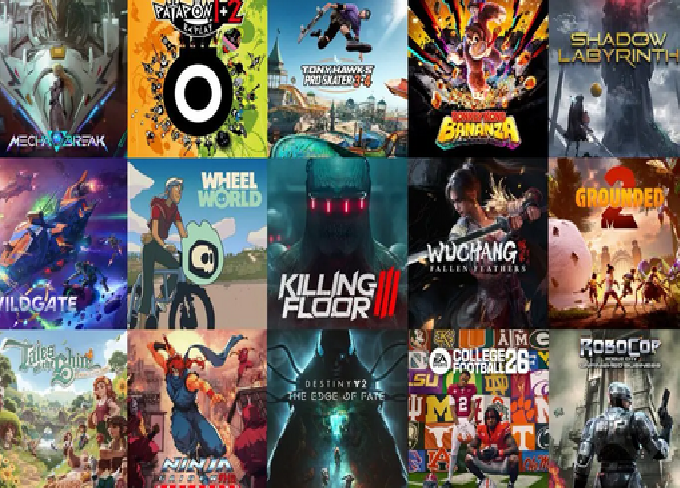
Every season brings a flood of new games across consoles, PC, and mobile — from blockbuster, big-budget titles to experimental indies and live-service entries that keep evolving after launch. For players, the choice can be overwhelming: spend full price on a single-player adventure, subscribe to a season pass, or wait for reviews and patches? This article breaks down what’s hot right now — what’s pushing the medium forward and delivering great player experiences — and what’s not — the pitfalls, trends to be wary of, and the types of releases that typically disappoint.
I’ll cover trends across genres, highlight what makes certain releases successful, call out the common problems that sink otherwise promising games, and give practical buying advice based on different player priorities.
What’s hot: the trends and features winning players over
1. Player-first live services
Live-service games used to mean grind and microtransactions. The best recent releases treat live services as ongoing value: regular content drops that refresh gameplay, meaningful seasonal rewards, and fair monetization that respects players who want to stay free-to-play. Successful live services are designed with long-term engagement in mind and keep balancing, bug fixes, and community feedback at the center.
2. Strong single-player narratives with modern systems
There’s a resurgence in single-player titles that blend cinematic storytelling with modern open systems — branching consequences, emergent AI-driven moments, and gameplay that supports narrative choices without railroading. Players love games that let them explore and express agency while still delivering a focused story arc.
3. Tight co-op and social features
Games that make it easy to connect with friends — simple drop-in co-op, matchmaking that respects skill and social preferences, and meaningful shared progression — are seeing high engagement. Titles that treat co-op as an afterthought feel tacked-on; those that build around social play from day one shine.
4. Accessibility and onboarding
Accessibility is no longer niche. Releases that ship with comprehensive accessibility options (text-to-speech, remappable controls, difficulty and parity fixes, subtitle and visual aids) open games to many more players. New titles that invest in inclusive design win praise and reach larger audiences.
5. Polished technical presentation
Players expect high production values: stable framerates on consoles and PC, robust netcode for multiplayer, crisp audio mixing, and tightly tuned controls. Technical polish at launch is becoming a major differentiator — and rightly so. A brilliant game that stumbles on performance will lose momentum fast.
6. Genre hybridization and experimentation
Great new releases often mix genres — narrative RPGs with tactical combat, or platformers with Metroidvania progression. These hybrids feel fresh and reward players looking for innovation rather than rehashed templates.
What’s not: recurring problems and overused trends
1. Launching with major bugs or missing features
No one likes day-one patching to fix gamebreaking issues. Titles that ship with frequent crashes, broken quests, or missing advertised modes undermine trust. Patchable flaws are understandable, but systemic issues show poor QA or rushed release schedules.
2. Predatory monetization and grinding
Pay-to-win mechanics, paywalls that gate meaningful progression, and aggressive microtransactions remain a huge turnoff. Even free-to-play games can thrive without predatory practices by offering optional cosmetics and reasonable earned progression.
3. Overreliance on filler content
Some games inflate playtime with repetitive fetch quests, padding, or procedural content that lacks craft. Players notice when time sinks exist only to justify monetization or engagement metrics rather than deliver satisfying moments.
4. Live-service fatigue and content droughts
Games that promise regular updates but deliver intermittently — or lock major content behind paid passes — quickly fatigue communities. Consistent roadmaps and deliverable timelines are now table stakes.
5. Poor matchmaking and community tools
Competitive and co-op titles fail when matchmaking is unbalanced or toxic. New releases that ignore clan, reporting, and moderation tools see communities fracture fast.
6. Copycat design without identity
There’s a steady stream of releases that mimic successful formulas without adding a unique voice. If a game feels like a clone with worse polish, it will be discarded quickly.
How to evaluate new releases: a practical checklist
Before buying or pre-ordering, consider:
-
Launch stability: Has the developer shared test results or review build impressions? Are there reports of frequent crashes or server instability?
-
Monetization model: Is the store cosmetic-only, or does it gate progression? Are season passes optional and transparent?
-
Content roadmap: Is there a clear, realistic roadmap for future content? Are developers communicating timelines?
-
Accessibility options: Does the game support remappable controls, difficulty sliders, or visual/audio accessibility?
-
Replayability vs. padding: Is post-launch content genuinely varied, or does the game rely on filler loops?
-
Community and moderation: Are there tools for reporting, forming groups, or managing toxicity?
-
Platform parity: Does the version you’ll play run well on your hardware? Console/PC parity matters for crossplay and features.
If you value time over risk, wait for a week of post-launch patches and community feedback. If you want to support a studio you love and are ok with potential rough edges, consider buying early — but be aware of refund policies.
Spotlight: categories and what to look for in each
Blockbuster (AAA) releases
What’s hot: Big-budget titles that pair cinematic storytelling with open systems and technical polish. Expect large worlds, deep production values, and robust audio design.
What’s not: Overpromised features cut from launch, long loading times, or aggressive DLC plans that fragment the story.
Buy tip: For AAA single-player games, waiting for reviews and initial patches usually pays off. For multiplayer AAA titles, check server stability and player retention metrics first.
Indie releases
What’s hot: Innovative mechanics, distinct art styles, and focused design. Indies often take creative risks big studios won’t.
What’s not: Short, underpolished releases that were clearly scope-limited or rushed.
Buy tip: Indies are economical for experimentation. If an indie’s demo or early reviews praise its core loop, it’s usually worth the price.
Live-service and multiplayer-focused games
What’s hot: Games that respect players’ time and monetize transparently. Frequent community-driven content and robust social features.
What’s not: Grind-heavy loops, server instability, and locked core modes.
Buy tip: If you care about long-term play, look at the developer’s track record on updates and community engagement.
Mobile releases
What’s hot: Mobile titles with meaningful mechanics, day/night persistence without predatory monetization, and solid offline play options.
What’s not: Paywalls, forced energy systems, and intrusive full-screen ads.
Buy tip: Many excellent mobile games are free-to-start — try before investing in long-term purchases.
Examples of strong launch patterns (what successful games did right)
-
Clear communication pre-launch. Developers who publish realistic feature lists, beta dates, and known issues build trust. When problems appear, transparent patch notes and honest timelines soothe communities.
-
Polished core loop. The best launches focus on making the core mechanics satisfying from minute one. If combat, movement, or interaction feel good, players forgive minor missing polish.
-
Fair monetization. Cosmetic shops and optional expansion packs with real value — not necessary for core progression — create sustainable ecosystems without alienating players.
-
Community-first updates. Listening to player feedback and iterating quickly (while avoiding knee-jerk changes) builds a loyal base and extends revenue in healthier ways.
Common launch mistakes and how developers should avoid them
Mistake: releasing with large, unresolved bugs
Fix: Extend QA or stagger release (regional or phased launch). Invest in robust testing pipelines and external QA.
Mistake: advertising features that aren’t finished
Fix: Market what exists, not what might land. Provide “coming soon” labels for unfinished items and avoid promising dates you can’t keep.
Mistake: confusing or punitive onboarding
Fix: Simplify tutorials, let players skip, and design early game loops that reward experimentation rather than punish it.
Mistake: microtransactions interfering with balance
Fix: Separate cosmetic and progression economies. If paid boosts exist, cap their advantage and ensure non-paying players can compete through playtime.
Player profiles — what to buy based on your priorities
The story-first player
Look for single-player releases with strong narrative design, branching choices, and a compact runtime that respects pacing. Avoid games that treat story as a marketing veneer for otherwise shallow systems.
The competitive multiplayer player
Prioritize titles with proven netcode, ranked modes, and a history of balanced seasons. Check for anti-cheat measures and fair matchmaking.
The casual/social player
Choose games with easy entry points, cross-platform play, and cooperative modes that don’t punish newcomers. Social features like shared progress or housing systems are a plus.
The completionist/collector
Buy games with clear completion metrics and reasonable grind curves. Beware of titles where completion is artificially extended through paywalls.
The experimental gamer
Indies and small-team releases are your best bet. Support creative risk-takers — just accept some rough edges may exist at launch.
The reviewer’s lens — how critics and players differ
Critics often evaluate games across production, design ambition, narrative, and technical performance. Players, however, weigh personal enjoyment and time investment. A game can be critically mixed but beloved by a niche community, or critically acclaimed but fail to retain players long-term. Read both professional reviews and community impressions to form a balanced view.
Final verdict: buy, wait, or pass?
-
Buy if you: love the genre, the developer has a strong track record, and early previews praise stability and core mechanics. Also reasonable if you’re supporting a small studio whose vision you want to encourage.
-
Wait if you: are sensitive to bugs, want the best value for money, or are worried about paywalls. Give the community a week or two to surface issues and patches.
-
Pass if you: the monetization compromises the experience, the core loop is repetitive, or the game offers nothing new beyond aesthetic changes.
Conclusion — what matters most in new releases
At the end of the day, the best new releases are those that respect players’ time, offer meaningful and polished mechanics, and are honest about their monetization and roadmap. The current market rewards transparency, inclusive design, and creative risk-taking. Watch trends, but trust your playstyle: whether you prioritize narrative, competition, or social play, the right release is one that keeps you engaged without feeling exploited.


Post Comment